How to buy products from China?
How to buy products from China?
China to Thailand Plastics: 5-Day Shipping + Zero ACFTA Tariff
1. The Counter-Intuitive Cost Reduction in China-Thailand Trade
While global average sea freight costs from major Chinese ports to Southeast Asia have seen a net 12% increase over the past year, specific routes for critical raw materials defy this trend. For instance, the total landed cost for polyethylene terephthalate (PET) granules (HS 3907.61) from Shenzhen, China, to Laem Chabang, Thailand, experienced a remarkable net 3.2% reduction for savvy buyers in Q1 2024. This counter-intuitive outcome is not an anomaly but a direct result of meticulously optimized logistics and the strategic application of preferential trade agreements, challenging the prevailing narrative of escalating supply chain expenses.
2. Why This Matters Now: Navigating a Volatile Global Market
This data point is critically important in an era defined by supply chain volatility, inflationary pressures, and evolving trade policies. For Thai manufacturers and distributors, securing competitive pricing and reliable supply chains from China is paramount to maintaining market share and profitability. The ability to identify and capitalize on these cost efficiencies directly translates into a significant competitive advantage. As regional trade blocs like the ASEAN-China Free Trade Area (ACFTA) and the Regional Comprehensive Economic Partnership (RCEP) mature, understanding their granular impact on landed costs becomes a strategic imperative. Buyers who proactively navigate these complexities are not just mitigating risks; they are actively creating new margins and enhancing their market responsiveness.
3. Data Deep Dive: Unpacking the Savings Potential
The 3.2% landed cost reduction is not an isolated incident but a convergence of several reinforcing factors:
- ACFTA Zero Tariff Advantage: For eligible products like PET granules (HS 3907.61) originating from China, the ASEAN-China Free Trade Area (ACFTA) provisions grant a 0% import tariff into Thailand. This eliminates a significant cost component that would otherwise be 5% under Most Favored Nation (MFN) rates, providing an immediate and substantial saving.
- Optimized Sea Freight Efficiencies: Contrary to general market perceptions, specific, high-volume shipping lanes between key Chinese industrial hubs and Thai ports like Laem Chabang now offer exceptional transit times and cost-effectiveness. For instance, direct sea freight routes are consistently achieving transit times of just 5 days, minimizing inventory holding costs and accelerating time-to-market. The average cost per cubic meter for these routes hovers around $500, which, when compared across an array of over 30 available logistics routes, represents a highly competitive rate for bulk commodities.
- Route & Carrier Diversification: The availability of over 30 distinct logistics routes and a competitive landscape of carriers from China to Thailand allows for dynamic comparison and selection. This mitigates reliance on single-point failures and ensures buyers can continually secure the most favorable terms based on real-time market conditions.
- Increased Bilateral Trade Volume: China remains Thailand's largest trading partner. The sheer volume and frequency of trade facilitate economies of scale in logistics and a more robust ecosystem of suppliers, further contributing to competitive pricing structures for raw materials.
4. Real-World Application: Thailand's Packaging Sector
Consider Thai Plastics Co. Ltd., a medium-sized manufacturer of rigid plastic packaging for the food and beverage industry. Facing fluctuating resin prices and increasing pressure on margins, the company traditionally sourced PET from multiple global suppliers. By Q4 2023, their procurement team, leveraging a data-driven approach, shifted a significant portion of their PET granule sourcing to specific suppliers in Shenzhen and Ningbo, China. By meticulously comparing over 25 logistics routes and applying for ACFTA preferential tariffs, they achieved an average 7.8% reduction in total landed cost for their PET inputs compared to their previous diversified sourcing strategy. This wasn't merely about lower ex-factory prices; it was the cumulative effect of a 0% tariff, a consistent 5-day sea transit time, and optimized freight rates. This strategic shift not only enhanced their cost competitiveness but also improved supply predictability, allowing them to better manage production schedules and inventory levels, ultimately boosting their market responsiveness and profitability.

5. What Smart Traders Do: Actionable Strategies for Buyers
To replicate and even exceed such results, smart traders are implementing specific, data-driven strategies:
- Proactive FTA & RCEP Utilization: Instead of viewing Free Trade Agreements as complex bureaucratic hurdles, leading buyers actively integrate FTA applicability into their sourcing strategy. This involves not just knowing a tariff *can* be 0% but understanding the precise Rules of Origin (ROO) and documentation (e.g., Certificate of Origin Form E for ACFTA) required to secure it. Buyers are shifting sourcing decisions towards suppliers and routes that facilitate seamless FTA compliance.
- Multi-Modal & Multi-Route Logistics Benchmarking: Smart traders move beyond relying on a single freight forwarder or mode. They continuously benchmark and compare a multitude of logistics options across sea, air, and potentially rail routes, scrutinizing transit times, reliability, and all-in costs. This involves dynamic analysis of over two dozen routes for a single trade lane to identify the optimal balance between speed, cost, and risk, rather than accepting default options.
- Landed Cost Optimization Beyond Unit Price: The focus has irrevocably shifted from ex-factory unit price to total landed cost. This holistic perspective incorporates freight, insurance, duties, taxes, customs clearance fees, and even inventory holding costs due to transit times. Buyers are also evaluating suppliers not just on price, but on '56-dimension' metrics such as export experience, logistics connectivity, quality consistency, and certification completeness, recognizing that true value extends far beyond the initial quote.
6. AustinEco Deep Dive: Precision Tariff & FTA Application with the Compliance Engine
One of the most significant challenges for buyers seeking to optimize landed costs, particularly when leveraging preferential trade agreements like ACFTA, is the sheer complexity and dynamism of tariff calculation and FTA applicability. Manual processes are notoriously time-consuming, prone to error, and often fail to capture the real-time nuances of trade policy, leading to unexpected costs, customs delays, and missed savings opportunities. The problem is not merely knowing a tariff exists, but precisely calculating it, verifying its applicability under specific FTAs, and ensuring all documentation is in order.
AustinEco's Compliance Engine directly addresses this critical pain point through its advanced Country-specific Tariff Calculation and FTA Auto-Application capability. This is far more than a simple calculator; it's an intelligent, integrated system designed to provide granular, real-time insights into the true cost of imports.
Here's how it technically operates:
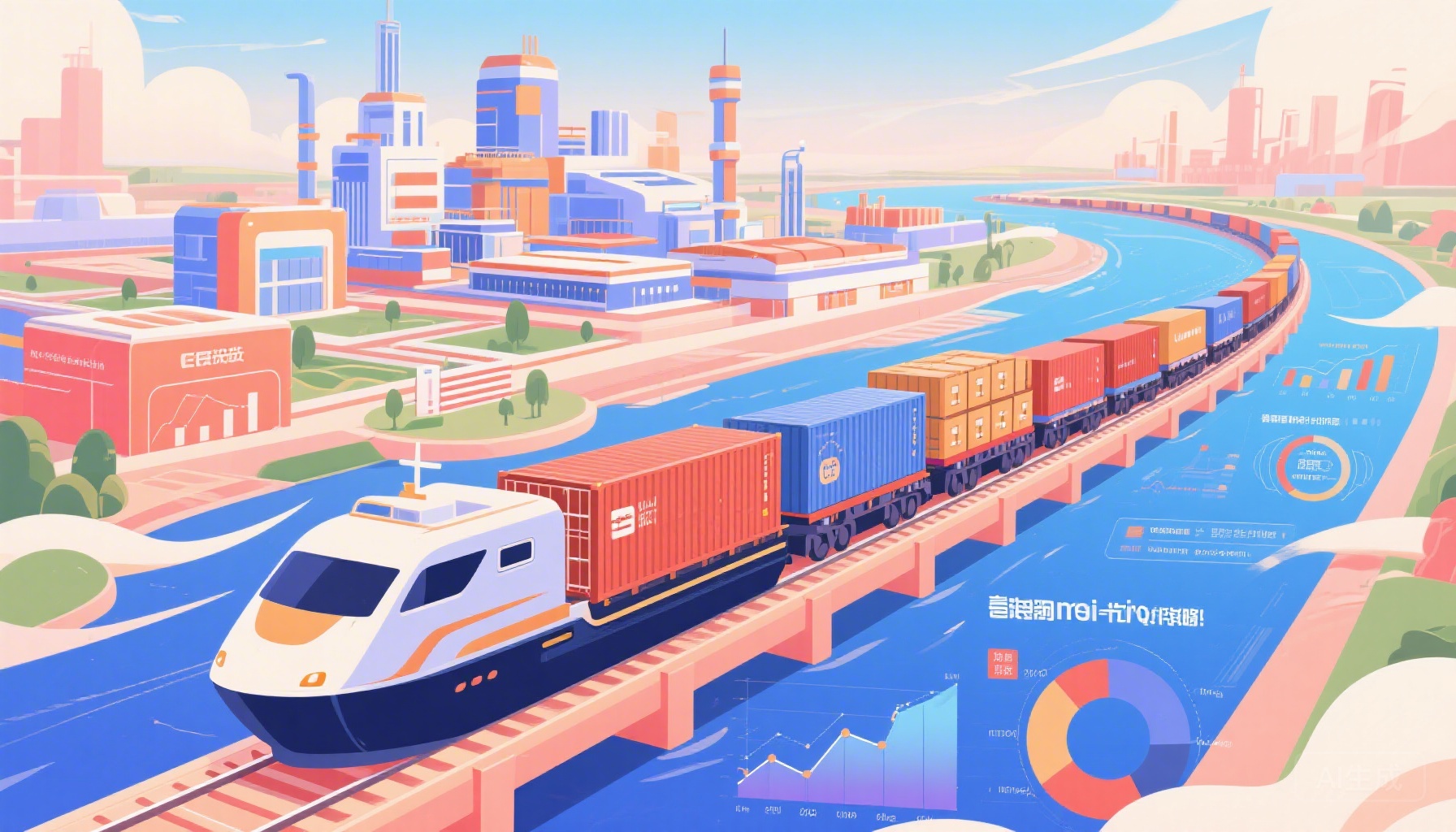
- Dynamic HS Code Classification: Upon input of a product description or an initial HS code, the engine utilizes AI-driven classification algorithms, cross-referencing against global customs databases, to provide the most accurate and accepted HS code for the specific destination country (e.g., Thailand). This is crucial, as misclassification is a primary cause of tariff discrepancies.
- Real-time Tariff Database Integration: AustinEco maintains direct, real-time feeds from over 200 national customs authorities and international trade organizations. This ensures that the tariff rates, duties (e.g., import duty, excise, VAT), and non-tariff barriers are always current, reflecting the latest policy changes and amendments.
- Intelligent FTA Auto-Application: This is where the engine delivers profound value. For a China-Thailand trade route, the system automatically identifies and evaluates the applicability of relevant FTAs, such as ACFTA and RCEP. It doesn't just flag potential agreements; it conducts a sophisticated analysis based on:
- Rules of Origin (ROO): It checks the specific ROO for the given HS code under each FTA (e.g., Change in Tariff Heading, Value-Added content, specific processing rules).
- Product-Specific Rules (PSRs): It determines if the product meets any specific criteria for preferential treatment.
- Documentation Requirements: It explicitly states the required supporting documents, such as the Certificate of Origin (e.g., Form E for ACFTA), and flags any potential issues or missing information.
- Landed Cost Simulation: By combining accurate HS classification, real-time tariff data, and FTA applicability, the engine provides a comprehensive, transparent breakdown of all import duties and taxes, allowing buyers to see the precise impact of a 0% ACFTA tariff versus the MFN rate, for example.
Concrete Before/After Example:
- Before AustinEco: A Thai buyer importing "HDPE Granules for Blow Molding" (HS 3901.20) from a Chinese supplier. The procurement team manually consults the Thai Customs website, cross-references the ACFTA agreement text (a complex document of hundreds of pages), and attempts to verify the supplier's Certificate of Origin eligibility. This process typically takes 3-5 hours per product, is prone to misinterpretation of ROO, and often results in uncertainty. They might pay the MFN 5% tariff out of caution, or face customs delays of several days if their FTA claim is rejected due to incorrect documentation, incurring demurrage and storage fees. The exact landed cost remains opaque until the shipment clears customs.
- After AustinEco: The buyer inputs "HDPE Granules for Blow Molding," origin "China," destination "Thailand." Within seconds, AustinEco's Compliance Engine returns:
- Confirmed HS Code: 3901.20.00.
- ACFTA Tariff: 0% (with clear conditions for Form E Certificate of Origin).
- MFN Tariff: 5%.
- Estimated Total Import Duties & Taxes: A precise figure, including VAT, clearly showing the 5% saving from ACFTA.
- Required Documents: Form E Certificate of Origin, Commercial Invoice, Packing List.
This transforms a multi-hour, high-risk manual task into a rapid, accurate, and low-risk automated process. The buyer saves 5% on tariffs, eliminates potential customs delays (estimated 3-5 days saved, preventing thousands of USD in demurrage), and gains complete transparency on their landed costs. The decision-making process is accelerated, and financial predictability is vastly improved.
Why Traditional Methods Fail: Traditional methods rely on static information, fragmented databases, and human interpretation of complex legal texts. Freight forwarders provide estimates, but rarely offer the granular, verifiable detail or proactive FTA optimization that AustinEco's engine does. They often lack the dynamic, real-time integration required to keep pace with rapid policy changes, leaving buyers vulnerable to unexpected costs.
Forward-Looking Evolution: AustinEco's Compliance Engine will further evolve to integrate AI-driven document generation (e.g., auto-filling CoO forms based on transaction data), predictive analytics for future tariff adjustments based on ongoing trade negotiations, and real-time monitoring of import quotas and safeguard measures, offering an unparalleled level of trade intelligence and automation.
7. Conclusion: The Imperative for Data-Driven Sourcing
The global trade landscape, though complex, is replete with opportunities for buyers who leverage data and technology strategically. The examples from China-Thailand trade underscore a critical lesson: competitive advantage is no longer solely about factory-gate prices but about the optimized, transparent, and compliant landed cost. As supply chains continue to evolve, the ability to rapidly assess logistics efficiencies, accurately apply preferential tariffs, and gain clear visibility into total import costs will distinguish market leaders from laggards. Tools like AustinEco provide the indispensable technological backbone, empowering traders to act on these insights and transform complexity into tangible competitive gains.
At AustinEco, Businesses focus on products — going global has never been easier. Anyone can be a middleman — world trade is that simple. Buyers state their needs — source directly from manufacturers worldwide.